What Is Deadhead in Trucking?

22 Oct 2026
Deadhead is driving a truck with no paying freight on board, usually to reach a pickup or to get home. Here is what causes it, what it costs, and whether drivers are paid for it.
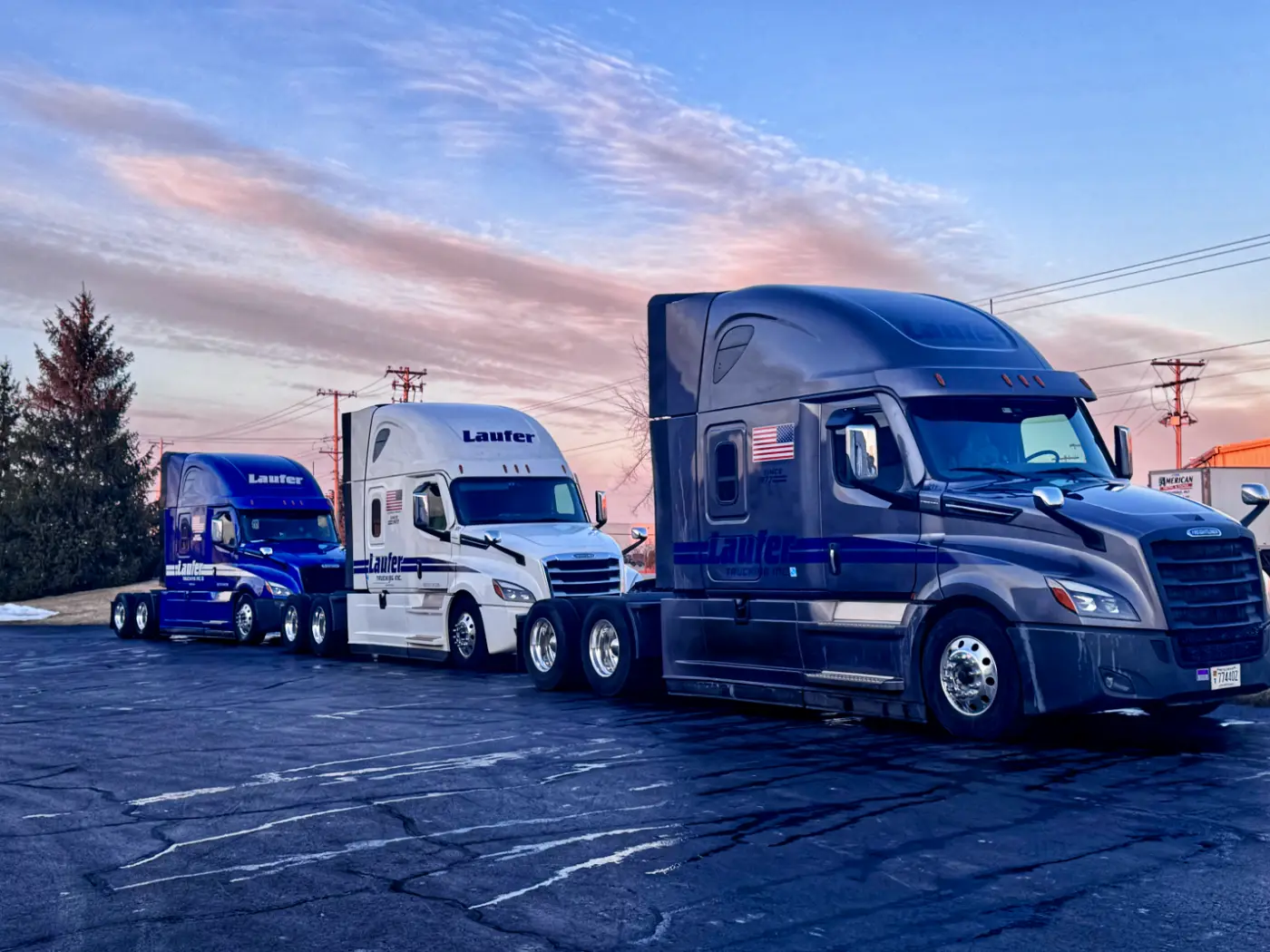
Deadhead in trucking means driving a truck with no paying freight on board. It happens when a driver runs empty to reach the next pickup, repositions after a delivery, or heads home without a load. Those are called deadhead miles, and they cost the carrier fuel, wear and driver time without earning anything.
For a driver, deadhead matters for another reason: depending on how you are paid, those miles may or may not show up on your check.
What does deadhead mean in trucking?
A truck is deadheading any time it moves without freight that someone is paying to ship. That includes a tractor pulling an empty trailer and, in most usage, a tractor running with no trailer at all. The term describes the miles, not the driver. A full, productive day can still include a stretch of deadhead.
Deadhead trucking is part of every operation. Freight rarely flows with perfect lane matches, so no carrier runs loaded all of the time. The difference between carriers is how much empty running they do and how they plan around it.
What causes deadhead miles?
- Getting to the pickup. The next load starts somewhere other than where the last one ended.
- Getting home. A driver delivers far from the terminal and there is no freight headed back.
- One-way lanes. Some areas ship out far more freight than they take in, so trucks leave full and come back empty.
- The wrong trailer for the backhaul. Return freight exists, but it needs a van and the truck is pulling a flatbed, or the other way round.
- Timing. A backhaul is available but won't be ready in time for the driver's hours or home time.
Deadhead vs bobtail vs loaded miles
| Term | Trailer attached | Paying freight | Typical reason |
|---|---|---|---|
| Loaded miles | Yes | Yes | Moving a customer's load |
| Deadhead | Usually, empty | No | Driving to a pickup or heading home empty |
| Bobtail | No | No | Moving the tractor alone, for example to collect a preloaded trailer |
Bobtailing means no trailer and deadheading means there is a trailer, but with no freight. A bobtail run is always deadhead, but most deadhead runs have an empty trailer attached.
Do truck drivers get paid for deadhead miles?
The answer comes down to how the driver is paid.
- Paid for the time. A local driver paid for the hours they work is paid whether the trailer is loaded or empty, so deadhead doesn't change the check.
- Mileage pay. Carriers handle empty miles in different ways. Some pay the full rate on every dispatched mile, some pay a lower rate for empty miles, and some pay nothing for them.
- Percentage pay. A driver paid a percentage of what the load pays earns nothing while the truck runs empty. No freight, no pay. This is the pay structure where deadhead hits hardest.
- Pay beyond the miles. Stop pay, drop-and-hook pay, detention and a guaranteed weekly minimum all protect a week that includes more empty running.
At Laufer, drivers are paid the same rate whether they are loaded or empty: the same mileage rate for regional drivers, the same hourly rate for local drivers. Regional pay also includes stop pay, drop-and-hook pay, overnight pay, and detention, layover and breakdown pay. Local and regional drivers who are fully available Monday to Friday have a guaranteed weekly minimum of $1,250.
What do deadhead miles cost a carrier?
An empty mile costs a carrier almost as much as a loaded one. Fuel, tires, maintenance, insurance and driver time keep running whether the trailer is full or not. The cost per mile is an important metric in trucking, at times fuel alone can equate to $1.00/mile.
That cost has to be recovered somewhere, which is why empty miles shape freight pricing, driver pay and the way a carrier plans its lanes.
It is also the number carriers watch. Across the industry, empty miles averaged 16.7% of all truck miles in 2024, according to the American Transportation Research Institute, up from 16.3% the year before. Laufer generally runs 12 to 15% empty.
How carriers keep deadhead down
- Backhaul freight that points the right way. Not just any return load, but one that takes the truck toward an area where the carrier already has freight. Laufer's regional dry van network has a strong backhaul freight base, which means less time waiting for reloads.
- Staying inside the network. Careful planning around the areas a carrier actually covers, and not straying too far outside them. A load that pays well but strands the truck somewhere with poor return freight options can cost more than it earns.
- Repeat lanes and customers. Running the same corridors week after week makes return loads predictable. Laufer's regional runs include the Cleveland and Akron corridor, Buffalo and Niagara Falls, and Northeast Iowa, among other steady locations.
- Drop and hook. Swapping trailers at the dock cuts waiting time and gets the truck moving to its next load sooner.
- Planning around the driver. Matching loads to hours of service and home time, so a truck isn't sent out empty to chase a load the driver can't legally finish.
Why some freight types typically incur more empty miles
Some commodities create more empty miles than others, and steel is a good example. Steel often moves on tight pickup and delivery parameters, and the customer needs it when they need it, which leaves less room to build a return load around the schedule. Machinery and other specialized freight work the same way.
Specialized equipment adds to it. A step deck conestoga is the right trailer for a tall machinery load, but it doesn't work for many other freight types that might otherwise fill the return trip. The trailer that makes the load possible is the same trailer that narrows the backhaul options.
Freight like this usually carries a higher rate, and the empty miles are part of the reason, alongside the specialized equipment and the more experienced driver it takes to haul it safely.
How deadhead shows up in freight pricing
For shippers, deadhead is part of the price even when nobody mentions it. A lane where the carrier can pick up a backhaul near the delivery usually prices better than one where the truck returns empty or goes a great distance to their next load. In essence the return trip still has to be paid for somehow. That is one of the pieces behind how a freight charge is built, and one reason full truckload rates vary from lane to lane or carrier to carrier.
What to ask about empty miles before you sign on
Most drivers don't raise empty miles at a job interview, and whether it matters to you depends almost entirely on how the job pays. A driver on percentage pay has every reason to ask, because an empty truck earns them nothing. A driver paid the same rate loaded or empty has far less riding on the answer.
Either way, these are the questions worth asking:
- Are empty miles paid, and at the same rate as loaded miles?
- Is the pay mileage, hourly or a percentage of the load?
- How often do trucks come home empty on the lanes I would run?
- Is there a guaranteed weekly minimum, and what do I have to do to qualify for it?
- Is the work built around steady backhaul freight and a defined network, or will I be chasing loads?
The pay structure matters more than the miles alone. Regional vs local trucking at Laufer compares both schedules, and the regional dry van and regional flatbed openings show how each is paid. Flatbed roles call for 12 months of Class A CDL experience. See current driver openings.
Frequently Asked Questions
<p>Yes. Deadhead miles and empty miles mean the same thing: miles driven with no paying freight on the truck. Either way they add cost for the carrier and, for drivers paid by the mile, they may be paid differently from loaded miles.</p>
<p>Not quite. Bobtailing means driving the tractor with no trailer attached. Deadheading means driving with no paying freight, which usually means pulling an empty trailer. Every bobtail run counts as deadhead, but most deadhead runs have a trailer behind them.</p>
<p>Yes, whenever they drive empty from a delivery to the next pickup or back to the yard. For local drivers paid for their time it makes little difference to pay, because the hours are paid whether the trailer is loaded or empty. Local routes built on repeat customers also help keep empty stretches short.</p>
<p>Divide empty miles by total miles and multiply by 100. A truck that runs 2,000 miles in a week, 300 of them empty, has a deadhead percentage of 15%. Carriers track it by truck, by lane and across the fleet to see where empty running costs them most.</p>
<p>The American Transportation Research Institute put the industry average at 16.7% of all truck miles in 2024, up from 16.3% the year before. Carriers running steady backhaul freight on repeat lanes tend to come in below that, and operations built around specialized equipment or one-way freight tend to run higher.</p>
<p>Yes. Federal rules define driving time as all time spent at the driving controls of a commercial motor vehicle in operation, so an empty run counts against the 11-hour driving limit the same as a loaded one. The hours-of-service rules do not address whether that time is paid.</p>
<p>It is the distance a truck has to drive empty from where it is now to the shipper. Dispatchers and load boards list it so a carrier can weigh the load's rate against the empty miles needed to reach it. A high-paying load with a long deadhead can earn less per total mile than a lower rate close by, or vice versa.</p>
<p>It depends entirely on the pay structure. A driver paid only on loaded miles, or on a percentage of what the load pays, earns less for the same hours behind the wheel. Where a carrier pays the same rate on every mile, loaded or empty, or pays for the driver's time, the effect is nil. Ask which one you're being offered.</p>
<p>Mostly because of what happens after delivery. If the truck can pick up a load near where it delivered, the carrier spreads the round-trip cost across two customers. If the area ships little freight back out, the truck returns empty and the rate has to cover both directions.</p>
<p>Yes, and that is the most common kind of deadhead. The driver delivers, the trailer is unloaded, and the truck pulls it empty to the next shipper or back to the terminal. Running with no trailer at all is called bobtailing.</p>