Regional vs Local Trucking: What's the Difference at Laufer?

04 May 2026
Regional vs. local at Laufer Trucking explained: home time, pay, and how to choose the driving job that fits your life.
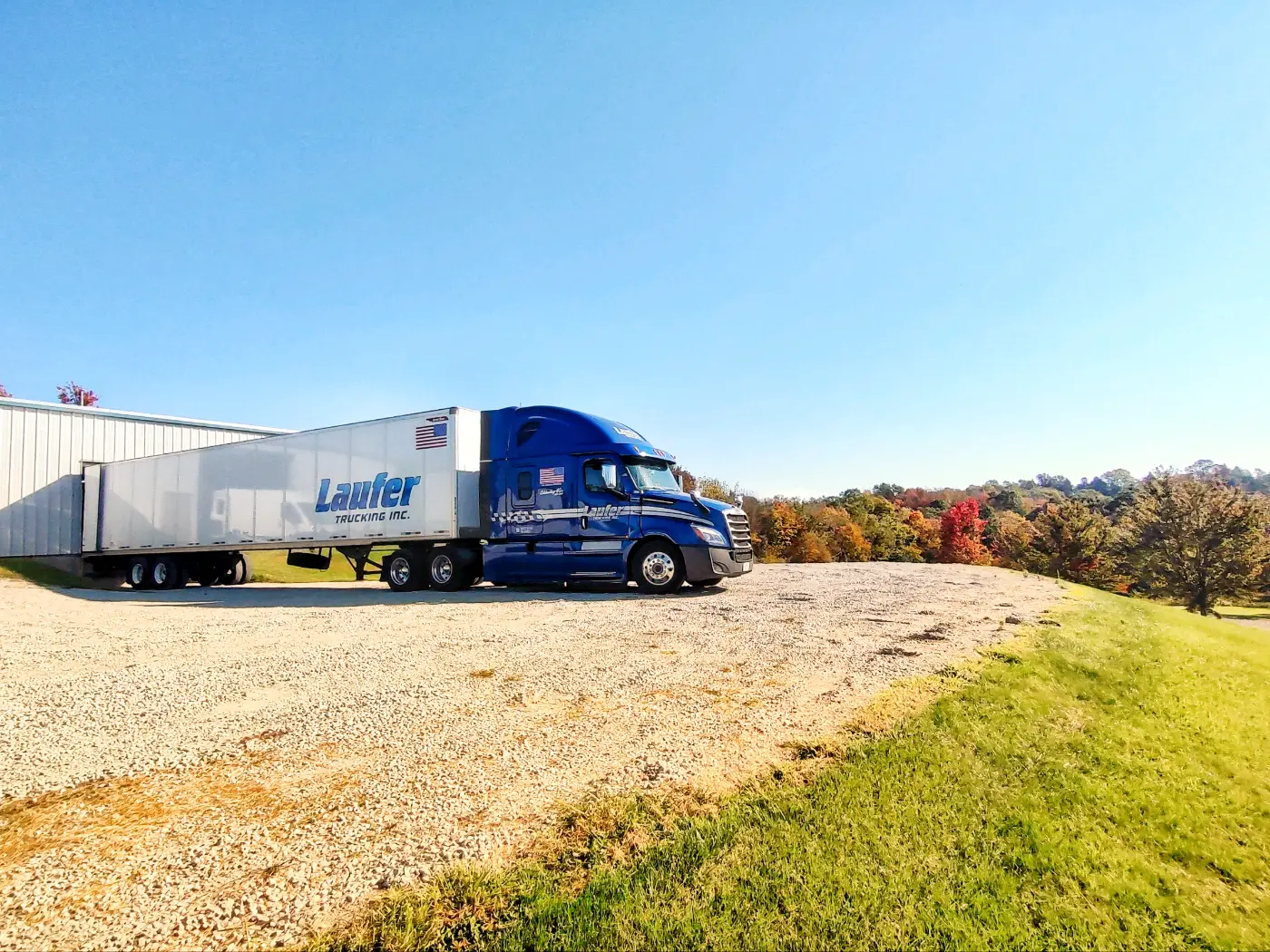
Quick answer: Regional and local are different ways to structure a truck driving career, but both are more than just jobs — they are lifestyles. Local with Laufer will have you running intrastate Wisconsin and the greater Chicagoland area, with more days than not in Chicagoland.
Regional at Laufer will involve a lot of Midwest, with a few nights out and home weekends. You can expect a lot of Ohio — in particular the greater Cleveland/Akron area — Kentucky, Indiana, Michigan, Minnesota, and the occasional Tennessee or upstate New York run. Regional with us involves some amount of Chicagoland as well.
The positions at a glance
Here is the fastest way to see the differences side by side. Read down the columns to compare home time, distance, and the kind of work each one involves.
| Factor | Local | Regional |
|---|---|---|
| Home time | Home every night | Out 2–4 nights per week, home weekends |
| Distance from home | Within about a 175-mile radius | Midwest, somewhat beyond |
| Route variety | Same area, often repeating stops | Some repeats, some new or one-time stops |
| Pay structure | Hourly with overtime | Miles, stops, overnights, drop and hook, detention, layover, Sunday leave bonus |
| Best for drivers who… | Want to get home every day | Like quality home time but also like to be out on the road |
Why some drivers prefer local
For most drivers, the primary reason for choosing local driving is home time. Many have young families, community commitments, hobbies, or other responsibilities that make being home every evening a high priority.
Another major benefit is the familiarity that comes with running consistent routes and serving many of the same customers. Local drivers often become well acquainted with pickup and delivery locations, traffic patterns, and customer expectations. Over time, they build strong relationships with shipping and receiving personnel, which can make daily operations more efficient and enjoyable. Many drivers take pride in being a familiar, trusted face for the customers they serve.
Why some drivers prefer regional
Many drivers find regional driving offers the best balance between earning potential and quality of life. Regional routes typically provide more miles and income opportunities than local work, while still allowing drivers to get home regularly — in our case, on weekends and potentially during the week as well.
Regional drivers also tend to enjoy the variety that comes with traveling to different cities and customers without being away from home for weeks at a time. Our regional work is a mix of regular customers and new locations, adding some predictability with some variety. For many, regional driving strikes the right balance between enjoying the road and staying connected to family and life at home.
How to choose the right one for you
Choosing between local and regional driving comes down to your personal priorities, lifestyle, and career goals.
If being home every night is your top priority, local driving may be the better fit. Local positions are often ideal for drivers with young families, evening commitments, or those who simply prefer a consistent daily routine. Keep in mind that local work can involve more customer interaction, city driving, and multiple stops throughout the day.
Regional driving may be a better choice if you’re looking for a balance between home time and earning potential. Regional drivers typically spend a few nights away from home each week, but often have opportunities for more miles, a wider variety of routes, and less stop-and-go driving than many local positions.
Neither option is inherently better — they simply fit different lifestyles. The best choice is the one that aligns with your personal goals, family situation, financial needs, and what you enjoy most about trucking. Many drivers try both at different points in their careers as their priorities change over time.
Laufer offers both — let’s talk about it.
Frequently Asked Questions
Regional driving typically pays more than local driving because it requires spending nights away from home and offers greater flexibility in covering freight. That additional time away is often reflected in higher earning opportunities. Both local and regional drivers can increase their income by working additional hours or driving more miles. At Laufer, we do our best to match each driver's preferred balance of work and home time. Some drivers want to maximize their earnings by taking on more miles and hours, while others prioritize time at home. Because of these differences in preferences and schedules, annual earnings can vary significantly, resulting in a fairly wide compensation range.
It's trucking — there's no easy button. Both local and regional driving can involve long days and hard work, just in different ways. Local drivers generally enjoy more time at home, but that doesn't always mean more free time. Depending on the route and schedule, some days may leave only a few waking hours between the end of one workday and the start of the next. For that reason, it's especially important for local drivers to live reasonably close to their terminal. A long commute before and after a full day of driving can quickly become exhausting. Regional drivers, on the other hand, may only need to make that commute once or twice a week, making a longer drive to and from the terminal more manageable. Some drivers also find they get better rest on the road. Without household responsibilities, errands, or other distractions competing for their attention, they can focus on getting a good night's sleep before starting the next day's work. Ultimately, the right choice depends on your personal situation, home life, commute, and what type of routine helps you perform at your best.
Not necessarily. Currently, Laufer has a greater need for regional, and there are times where local positions may be full. At the moment, we are hiring for all positions, and have a special need to fill flatbed roles. We can train the right candidate for flatbed.