First Year as a CDL Driver: What to Expect

09 Mar 2026
Your first year as a CDL driver: what to expect, common surprises, how to choose a first carrier, and honest expectations on pay and home time.
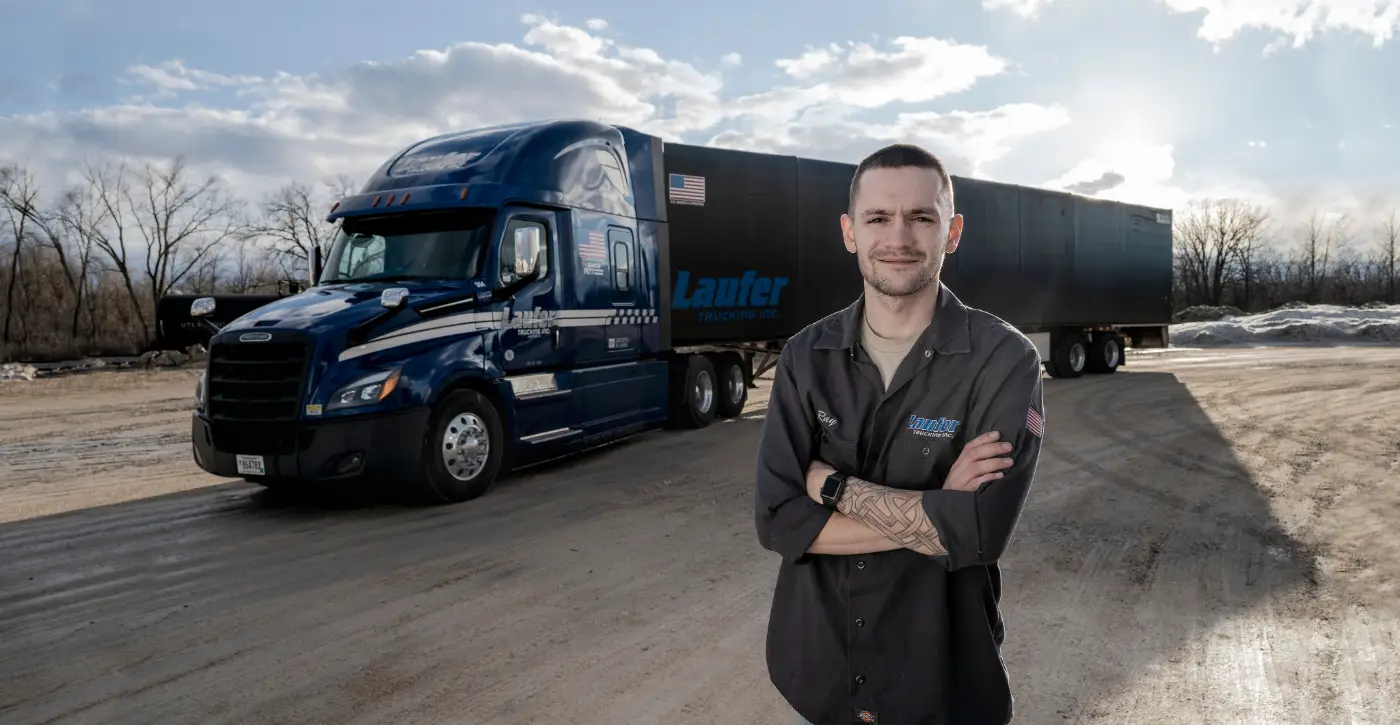
Quick answer: Your first year as a CDL driver is mostly about building real-world experience: getting comfortable handling the truck in all conditions, learning to back into docks and maneuver the truck in tight spaces, understanding hours-of-service rules, and figuring out what kind of driving fits your life. Expect a learning curve, some long days, and steady improvement. The carrier you choose for that first year matters more than almost anything else, because it shapes how much you learn and how supported you feel.
Finishing CDL school is a real accomplishment, but it is the start of the learning, not the end of it. The first year on the road is where you actually become a driver. Here is an honest look at what that year holds, the surprises new drivers run into, and how to pick a first carrier that sets you up well instead of burning you out.
What does the first year as a CDL driver involve?
The first year is a skill-building year. You came out of school knowing how to operate the truck and pass the test. Now you learn the things only seat time teaches: reading traffic from a 70-foot vehicle, backing into a tight dock on the first try, managing your hours, planning fuel and rest, and handling weather that would have really tested you in week one. None of this comes from a classroom. It comes from doing it, load after load.
You will also figure out the parts of the job nobody fully explains in school: dealing with shippers and receivers, handling paperwork and electronic logs, and managing the rhythm of life on a sometimes tight schedule. It is a lot at once, but it gets easier fast. Most drivers feel like a different, far more confident operator by month six than they were on day one.
What surprises new CDL drivers the most?
A few things tend to catch new drivers off guard, so it helps to know them going in. The first is how much of the job is waiting and problem-solving, not just driving: time at docks, detention, and route changes are all part of it. The second is how physical and tiring it can be, even before you add any hands-on freight work, such as learning flatbeds. The third, and the big one, is how much home time varies by job, and how long the days can be, even in a local position. It is easy to take the wrong first job because nobody explained the tough parts of trucking.
That last point is worth taking seriously. A lot of new drivers sign with the first carrier that calls, end up in an over-the-road job that keeps them out for weeks, and burn out before they ever found their footing. Knowing the difference between local, regional, and over-the-road work before you sign saves you that mistake. Our guide to regional vs local trucking at Laufer breaks down exactly what each one means for your schedule.
How do you choose your first carrier?
This is the most important decision of your first year, so do not rush it. A good first carrier does more than hand you keys: it gives you support when you are still learning, honest answers about home time and pay, and equipment you can trust. Here is what to look for:
Support for newer drivers. Ask how the carrier handles drivers in their first year. Do experienced drivers and dispatch actually help, or are you on your own?
Honest home time. Get clear answers on how often you are really home. "Home daily" and "home weekly" should mean what they say.
Steady, predictable pay. A guaranteed weekly minimum protects you while you are still building speed and efficiency.
Equipment and maintenance you can trust. A carrier that keeps its trucks in good shape is one that respects its drivers.
A realistic experience requirement. Some carriers want a year or more before they will talk to you; others have programs or roles suited to newer drivers.
On that last point, be honest with yourself about where you stand. Many quality carriers ask for a minimum amount of verifiable experience, so if you are fresh out of school, look for the carriers and roles that are set up to bring newer drivers along. Recent CDL graduates explains how that works at Laufer.
What kind of driving should you start with?
There is no single right answer, but your first job shapes your early experience a lot. Use this quick guide to think it through.
What should you expect for pay and home time in year one?
Starting pay is usually lower than what experienced drivers make, and that is normal: you get faster, more efficient, and more valuable as the year goes on, and pay tends to follow. What protects you early, when you are still learning and slower, is a guaranteed weekly floor. It means a tough week while you are finding your feet does not wreck your budget.
Pay usually increases when drivers hit about 18 months to two years of experience, because that is when insurance companies start to view that driver favorably.
Home time in year one depends entirely on the job you take, which is exactly why choosing well matters so much. A local job gets you home every night from the start; a regional job gets you home weekends and sometimes during the week as well; an over-the-road job keeps you out longer. None is wrong, but you should choose it on purpose rather than ending up somewhere by accident. Laufer pays a weekly minimum of $1,200 by direct deposit, with extra pay for stops, overnights, and detention on top, the kind of floor that takes pressure off a new driver still building speed.
How do you set yourself up to succeed?
The drivers who thrive in year one tend to do the same few things. They ask questions instead of guessing. They take backing and docking seriously until it is automatic. Get out and look (G.O.A.L.) is a real thing for new and experienced drivers alike.
They manage their hours and rest honestly rather than pushing limits. And they pick a carrier that supports them rather than the one with the flashiest recruiting pitch. Do those things and the first year, hard as it is, sets you up for a long, steady career.
Most of all, give yourself grace. Every experienced driver was once exactly where you are—sweating a tight dock, second-guessing a lane change, and wondering if they were cut out for the job. It gets easier. The truck feels smaller in your hands, your confidence grows, and before long, the things that once felt intimidating become second nature.
It's also important to know that nearly every new driver experiences moments of discouragement and questions whether trucking was the right career choice. That's a normal part of the learning process. Stay patient with yourself, keep learning from each day on the road, and focus on steady improvement rather than perfection. With time, persistence, and a positive attitude, you can absolutely succeed in this industry.
Start your driving career with Laufer
If you are a new or recent CDL graduate in southeast Wisconsin or the greater Milwaukee area, the carrier you start with sets the tone for everything that follows. Come see what driving for Laufer Trucking is like. We are a family-owned outfit that owns its equipment, pays a guaranteed weekly minimum, and runs honest dispatch, no surprises about home time.